
The land ofValdobbiadene, the heart of our winemaking.
A unique landscape
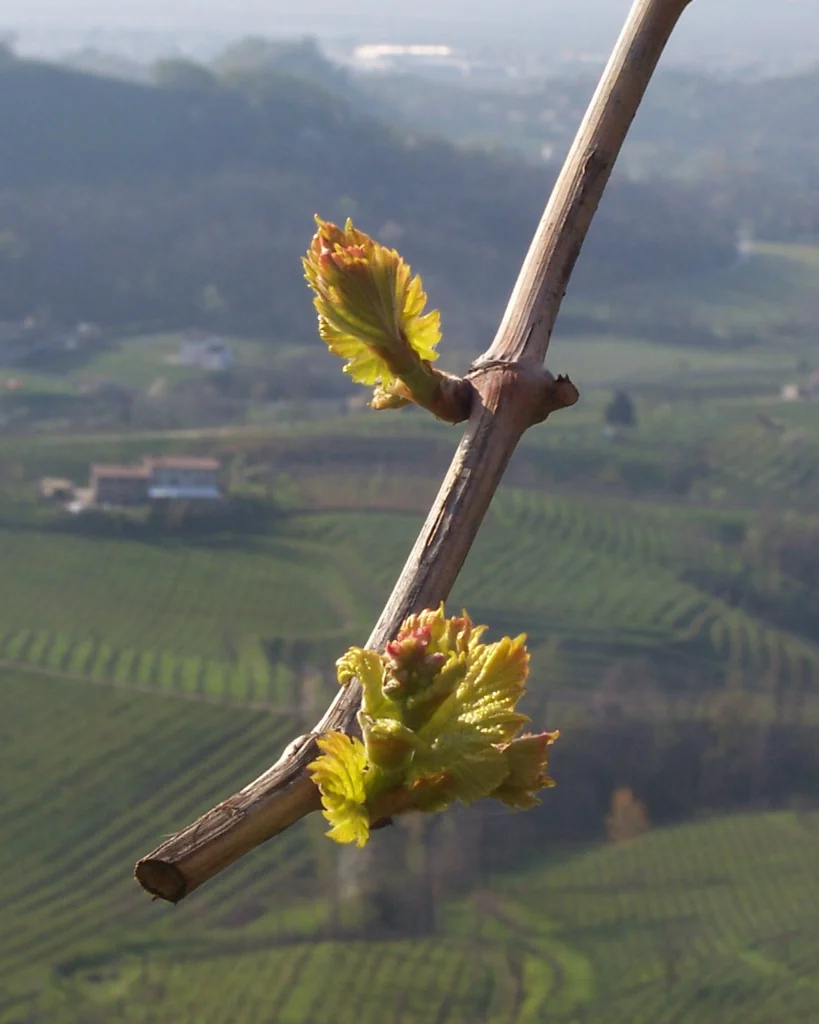
A unique landscape, a UNESCO World Heritage Site
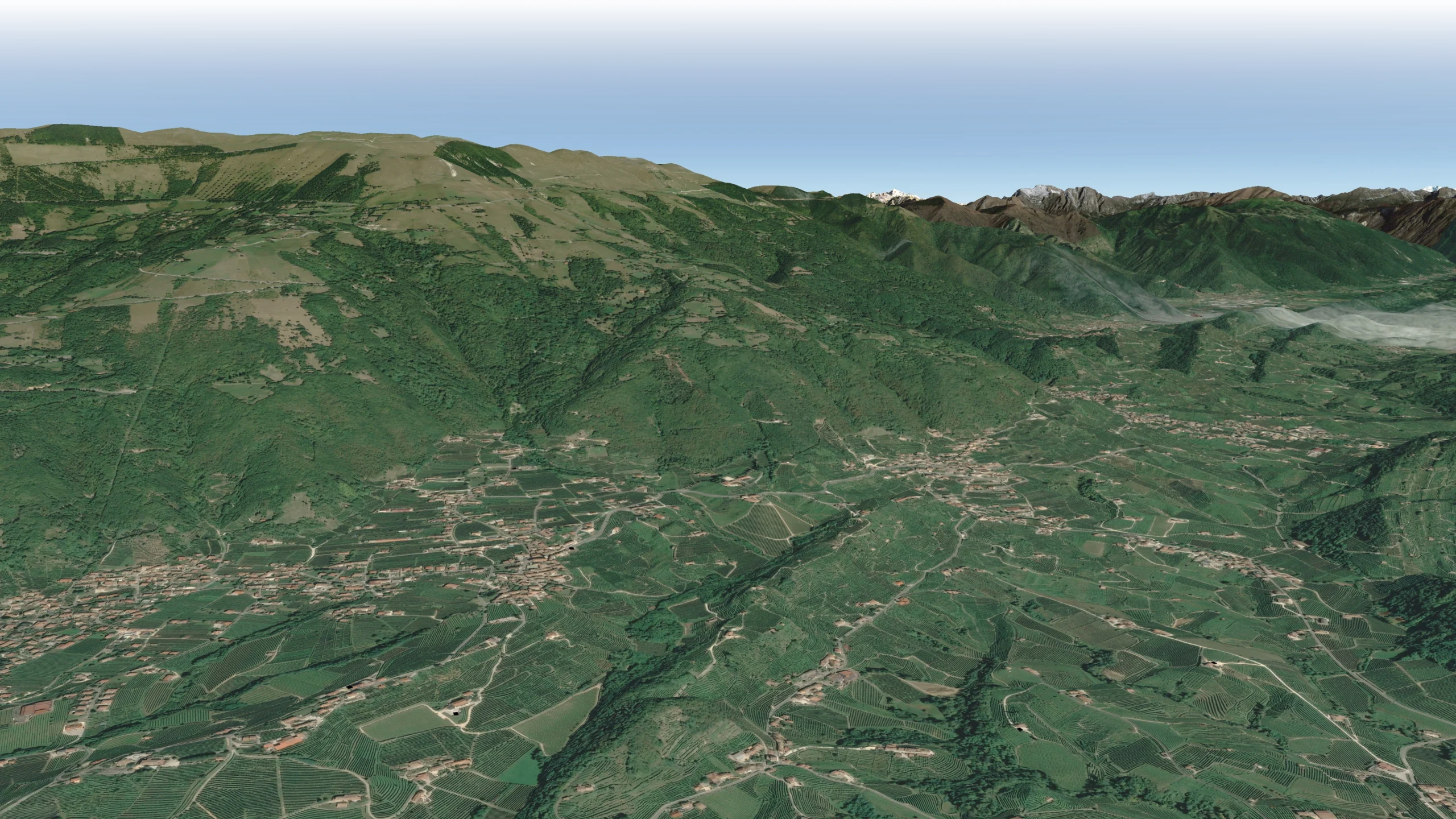
In the heart of the hills between Conegliano and Valdobbiadene lies a unique landscape, shaped over the centuries by the interplay between nature and human endeavour. Here, among the steep slopes of San Pietro di Barbozza and Santo Stefano, winegrowing has become an art passed down from generation to generation, giving rise to wines that express the most authentic character of this land.
The Hills of Conegliano and Valdobbiadene have been recognised as a UNESCO World Heritage Site for their unique cultural landscape, a testament to the balance between people and nature that has evolved over time. This recognition celebrates not only the beauty of these hills, but also the value of heroic viticulture, the daily work carried out among the vineyards, the traditional stone walls, the small villages and the communities that have preserved this extraordinary heritage for generations.
For the Varaschin family, these hills are far more than the place where Valdobbiadene Prosecco Superiore DOCG is born. They are home: a place where, for almost a century, craftsmanship, respect for the land and a passion for winegrowing have been passed down through generations, continuing to shape both the landscape and the lives of those who call it home.
Our terroirs
Our Rive
In the Conegliano Valdobbiadene winegrowing area, the term “Rive” refers to vineyards growing on some of the steepest and most highly regarded hillsides, where the challenging slopes make winegrowing particularly demanding and much of the work is carried out by hand. Each Riva bears the name of its place of origin and has its own distinctive character, shaped by altitude, exposure, microclimate and soil composition.
It is within this landscape that the Varaschin family has cultivated its vineyards for generations, in San Pietro di Barbozza, Bacio, Barbozza, Strazzalede and Santo Stefano. These places may lie close to one another, yet each expresses a remarkably different identity through its Glera grapes and the wines they produce. Alongside the Rive lies the prestigious Cartizze hill, a natural amphitheatre of just 107 hectares nestled between San Pietro di Barbozza, Santo Stefano and Saccol. Our family has shared a long-standing connection with Cartizze for generations, through the winegrowers who entrust us with their grapes.
The Varaschin family story began here, in San Pietro di Barbozza, which remains at the heart of our winemaking today. On these hills, every vineyard tells a different story — of soil, exposure, harvests and people. Discovering them means understanding how, even within a very short distance, the land can reveal remarkably different nuances through wine.
Bacio
Bacio is not just a vineyard, but part of the Varaschin family’s story: adjacent to the winery, this hill has seen Matteo among the vine rows and the first steps taken by Luigi and Renzo in the family project, and it remains today the first vineyard you encounter stepping out of the cellar. Located on the Rive di San Pietro di Barbozza at around 300 meters above sea level, with a southeast exposure and a steep slope dominated by Monte Cesen, its soils of marl and clay retain water through hot summers while the slope encourages natural drainage, with roots reaching down to the ancient local rock known as “salis,” a testament to these hills’ marine origins. Constant ventilation and strong temperature swings between day and night support a slow ripening of the Glera grapes, preserving their freshness and aroma, in a viticulture carried out entirely by hand with experience and deep respect for nature. The name itself comes from local memory: it’s said that in the 1930s this hill was a refuge for the village’s young people, who met here for their first loves away from prying eyes — and it’s from this story that the name Bacio is said to have been born. Marking its entrance is the Arco del Bacio, built in the 1960s from local stone and now one of the winery’s symbols; passing through it means entering a place where nature, work, and family memory have coexisted for generations.
Barbozza
Barbozza, at around 370 meters above sea level between forest and the slopes of Monte Cesen, is the northernmost area of San Pietro di Barbozza, farmed by the Varaschin family for generations. The name comes from terms indicating steep, rugged terrain, and the surrounding woods served as a refuge for partisans during World War II. The morainic soil, rich in marl and coarse pebbles, ensures excellent drainage and deep root growth, while the proximity of Monte Cesen creates a cool microclimate that supports slow ripening and pronounced acidity — qualities that make the area particularly promising for the future of Valdobbiadene winemaking. Planted with about 90% Glera, alongside some ungrafted, pre-phylloxera Verdiso vines, the vineyard is worked entirely by hand despite its gentler slope compared to Bacio. This vineyard is the source of the Relui Extra Brut, a fresh, citrusy, floral wine with marked acidic tension.
Strazzalede
Strazzalede lies in the heart of San Pietro di Barbozza, among the UNESCO World Heritage hills, and has been farmed by the Varaschin family for generations, since the time of Matteo. At around 300 meters above sea level with full southern exposure, the vineyard benefits from slow, balanced ripening of the Glera grapes, supported by constant ventilation and day-night temperature swings that preserve freshness and aromatic richness. The morainic soil of marl and clay retains water well even in the hottest periods, producing structured, savory wines with notes of acacia, yellow peach, white flowers, and ripe fruit. Old vines over fifty years old still stand among the rows, worked entirely by hand. This vineyard is the source of Strada Chiesa, one of Varaschin’s flagship labels, which in 2024 won “Best Prosecco” at the Champagne & Sparkling Wine World Championships (CSWWC) in London. The area is also home to the Guardiani di Pietra, stone sculptures by artist Angelo Favero “Zoe” that line the paths through the vineyards.
Santo Stefano
Santo Stefano, at around 400 meters above sea level in the heart of the Conegliano Valdobbiadene Prosecco Superiore DOCG hills, is farmed by the Varaschin family along steep slopes dedicated exclusively to Glera. The marl-and-limestone soil supports good drainage and deep root growth, while the altitude, cool climate, and temperature swings between day and night allow for slow ripening that preserves freshness and aromatic complexity. The steep terrain makes the viticulture entirely manual and “heroic.” This vineyard is the source of the Valdobbiadene Prosecco Superiore DOCG Rive di Santo Stefano, an elegant, savory wine dedicated to Orfeo Varaschin, the family winemaker whose creative vision continues to inspire the winery today.
Cartizze
Cartizze is a natural amphitheater of 107 hectares between San Pietro di Barbozza, Santo Stefano, and Saccol, one of the most prestigious expressions of Conegliano Valdobbiadene DOCG. Although the Varaschin family has never owned vineyards here, since Matteo Varaschin’s early days the family has built relationships of trust with local growers, some passed down for over fifty years. The soil, once an ancient seabed and now rich in clay, sedimentary rock, and fossils, provides a valuable water reserve; ventilation, exposure, and temperature swings support slow ripening of the Glera grapes. The viticulture is entirely manual and heroic, with grape crates still transported by traditional pulley systems on the steepest slopes. This fruit is the source of the Valdobbiadene Superiore di Cartizze DOCG, a fresh, savory, floral wine that for Varaschin represents both the privilege of the trust it has received and the responsibility of authentically expressing this land.
Valdobbiadene Prosecco Superiore DOCG
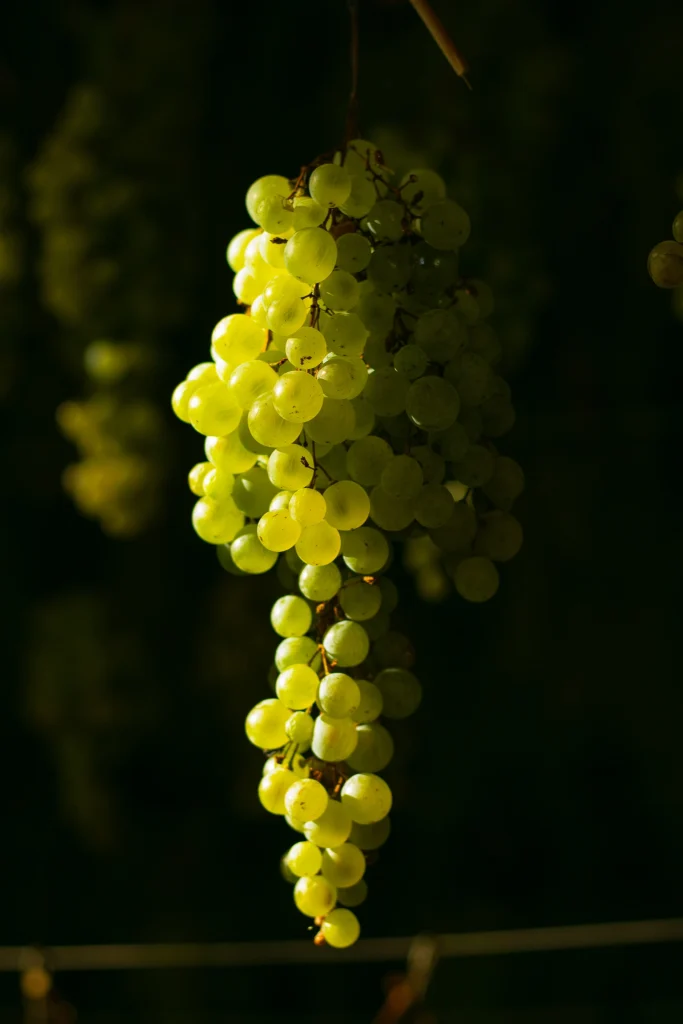
Glera grapes and production method
Everything begins with Glera grapes, grown in our vineyards and harvested exclusively by hand on the steep Rive of Valdobbiadene. This grape variety gives rise to the floral aromas, freshness and elegance that distinguish Valdobbiadene Prosecco Superiore DOCG.
The Valdobbiadene Prosecco Superiore DOCG appellation is governed by some of the most rigorous standards in Italian winemaking. Every stage of production, from growing the grapes to bottling, follows strict regulations governing yields, quality controls, and analytical and sensory assessments, ensuring the origin, traceability and quality of every bottle.
For our sparkling wines, we use the Martinotti Method, later perfected by Eugène Charmat, as we believe it is the method that best enhances the distinctive qualities of Glera grapes, preserving their freshness, elegance and aromatic expression.
For us, the Martinotti Method represents a precise winemaking philosophy. It allows us to preserve the identity of both the land and the Glera grape, respecting its natural evolution and giving the wine the time it needs. This is why our base wine remains in pressurised tanks for a minimum of four months, extending to ten or even eleven months for some of our most distinctive wines. It is a choice that requires time and patience, but one that allows us to achieve a fine, persistent perlage, greater aromatic complexity and a balance that reflects the character of our wines.
At the end of this period, the wine is stabilised, microfiltered and bottled with the utmost care, preserving its freshness and allowing every glass to authentically express the character of the hills of Valdobbiadene.